
The journal · 27 June 2026
Candid vs traditional wedding photography: how to choose
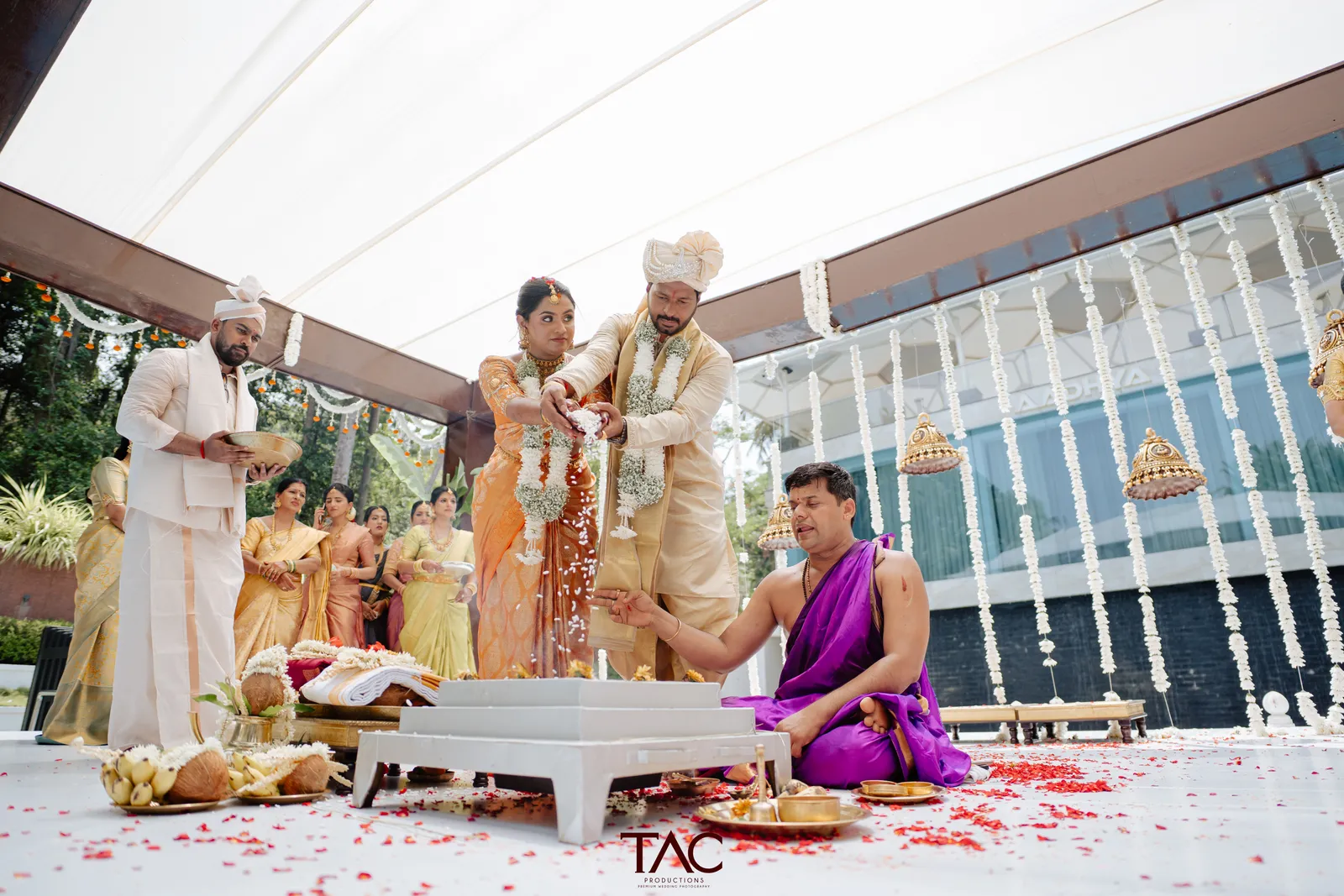
Candid wedding photography gets asked for constantly, but few couples can define what they mean by it beyond “not stiff.” Traditional photography gets the opposite treatment — dismissed as outdated before anyone explains what it actually offers. Both deserve a clearer definition.
Here is how we think about the difference, and why almost every wedding we shoot ends up using both.
What candid photography actually is
Candid wedding photography means the photographer works unobtrusively, catching real reactions as they happen — a father’s face during kanyadaan, a friend laughing mid-sentence, the moment before a garland exchange rather than the posed version after. It requires a photographer who reads a room, not one who directs it.
Done well, candid coverage becomes the emotional backbone of a wedding gallery. The photographs that make couples cry years later are rarely the posed ones.
What traditional photography still does better
Traditional photography — posed family portraits, formal couple shots, ceremony documentation from a fixed position — exists for good reason. It guarantees you have a clear, well-lit photograph of every important person and every ritual moment, which candid coverage alone cannot promise. Grandparents who came from out of town deserve one clean portrait with the couple, not just a lucky candid frame from across the hall.
Traditional coverage is also what most families actually frame and print. Albums lean traditional; walls lean candid.
Why the choice is usually both
We rarely shoot a wedding as purely one or the other. A typical day mixes structured portrait sessions — fifteen to twenty minutes with each side of the family — with hours of unobtrusive candid coverage around the rituals themselves. At Samyuktha and Darshan’s wedding at a UVA-group resort near Kundapura, some of the strongest images came from candid coverage of the haldi, while the formal family portraits an hour later gave their parents exactly the clean record they wanted.
The mistake is assuming you have to pick a style upfront. What you actually need is a photographer skilled at both, who knows when to step back and when to step in.
Questions to ask a photographer about their approach
Ask to see a full wedding gallery, not a highlight reel — our guide to choosing a photographer goes into this in more depth. Look specifically for whether the candid frames feel genuine or staged to look candid, a difference that’s obvious once you know to look for it. Ask how many formal portrait sessions they build into a typical day, and how long each one runs.
How we approach it
Our default is candid-first, structured where it matters. We plan short, efficient portrait windows so families aren’t standing around for an hour, and we spend the rest of the day working quietly at the edges of the room. It’s the same approach whether we’re shooting a temple wedding in Udupi, a large reception in Bangalore, or a wedding in Mysore, Mangalore, or Hubli — the ritual changes, the method doesn’t.
If you’re not sure which style fits your wedding, that’s a conversation worth having before you book, not after. Browse full weddings in our portfolio to see the blend in practice, or reach out and we’ll talk through what would suit your day.
— The Artsy Craftsmen